Before they buy the piece, they buy the story
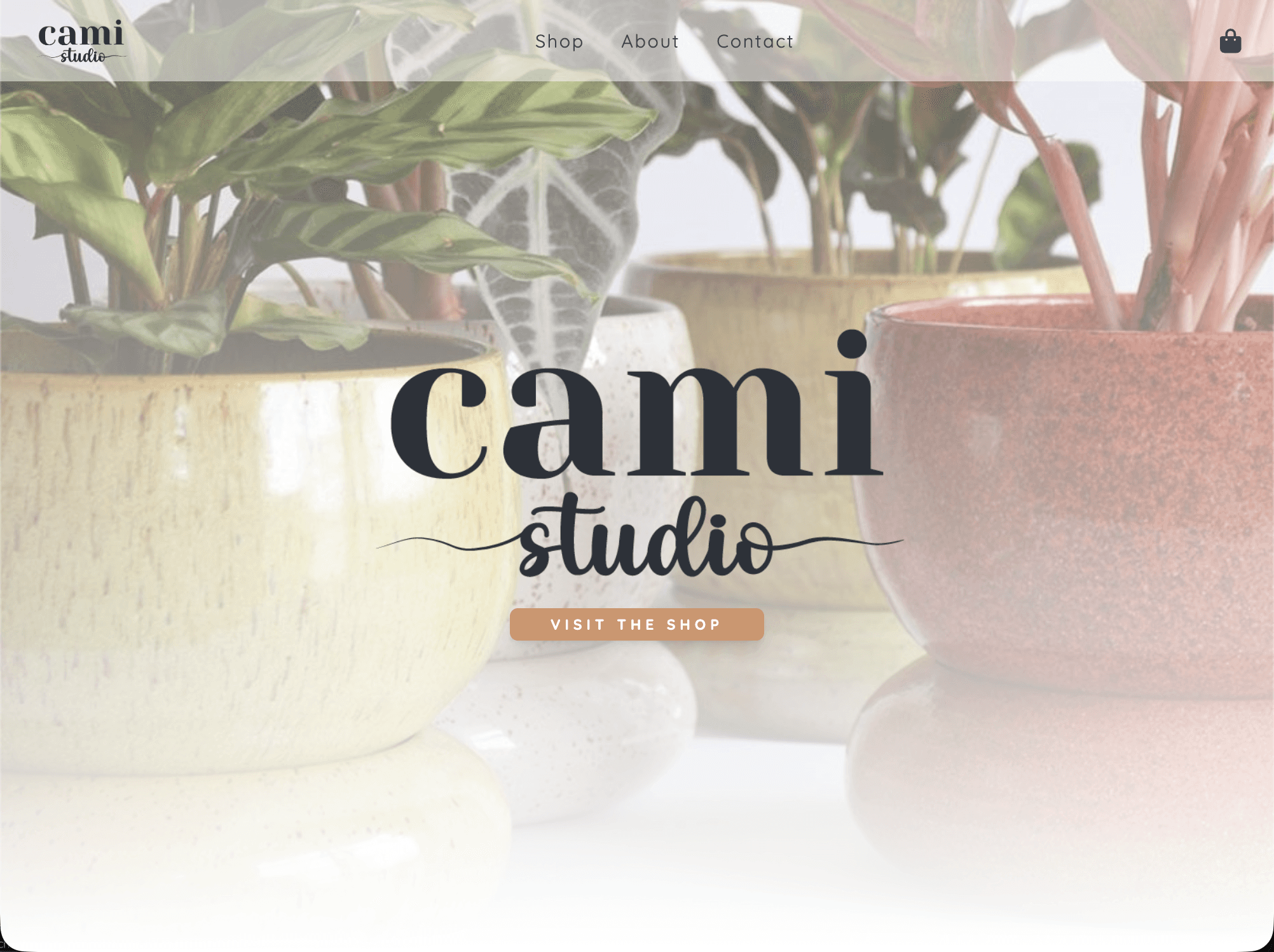
Cami Studio Design is a small scale handmade ceramic studio that create decorative pieces and needed an e-commerce website to communicate the brand vision and sell the pieces online.
Goals & Objectives
Datamorf Website
What is Cami Studio Design
Cami Studio Design is a small-scale handmade ceramics studio based in Tossa de Mar, creating decorative pieces inspired by nature and architecture. As both the designer and the maker, the challenge was bringing a deeply physical, tactile craft into a digital space without losing what makes it feel special.
My Role
As both the designer and the studio owner, I was responsible for the entire project: from brand identity and UX strategy to visual design and developer handover. My focus was to create a digital space that felt true to the handmade, nature-inspired identity of the brand, while building a practical and scalable e-commerce structure that could grow with each new collection.
Key objectives:
Translate a physical craft into a compelling digital experience
Reflect the brand's calm, natural, and architectural identity
Create a seamless and trustworthy shopping experience
Balance brand storytelling with e-commerce performance
Build a scalable structure that grows with each new collection
Research
Datamorf Website
As both designer and maker, I had an intimate understanding of the product and brand values. But I still approached the project with a structured UX mindset, because knowing your own brand too well can cloud your judgment.
An analysis of ceramic and lifestyle e-commerce websites, combined with a study of user behaviour in small-brand online shops, surfaced one consistent insight: users don't only buy the product: they buy the story behind it. Trust is built through transparency about materials, process, and the person making the work. That insight became the backbone of every content and structural decision on the site.
Iterations
Datamorf Website
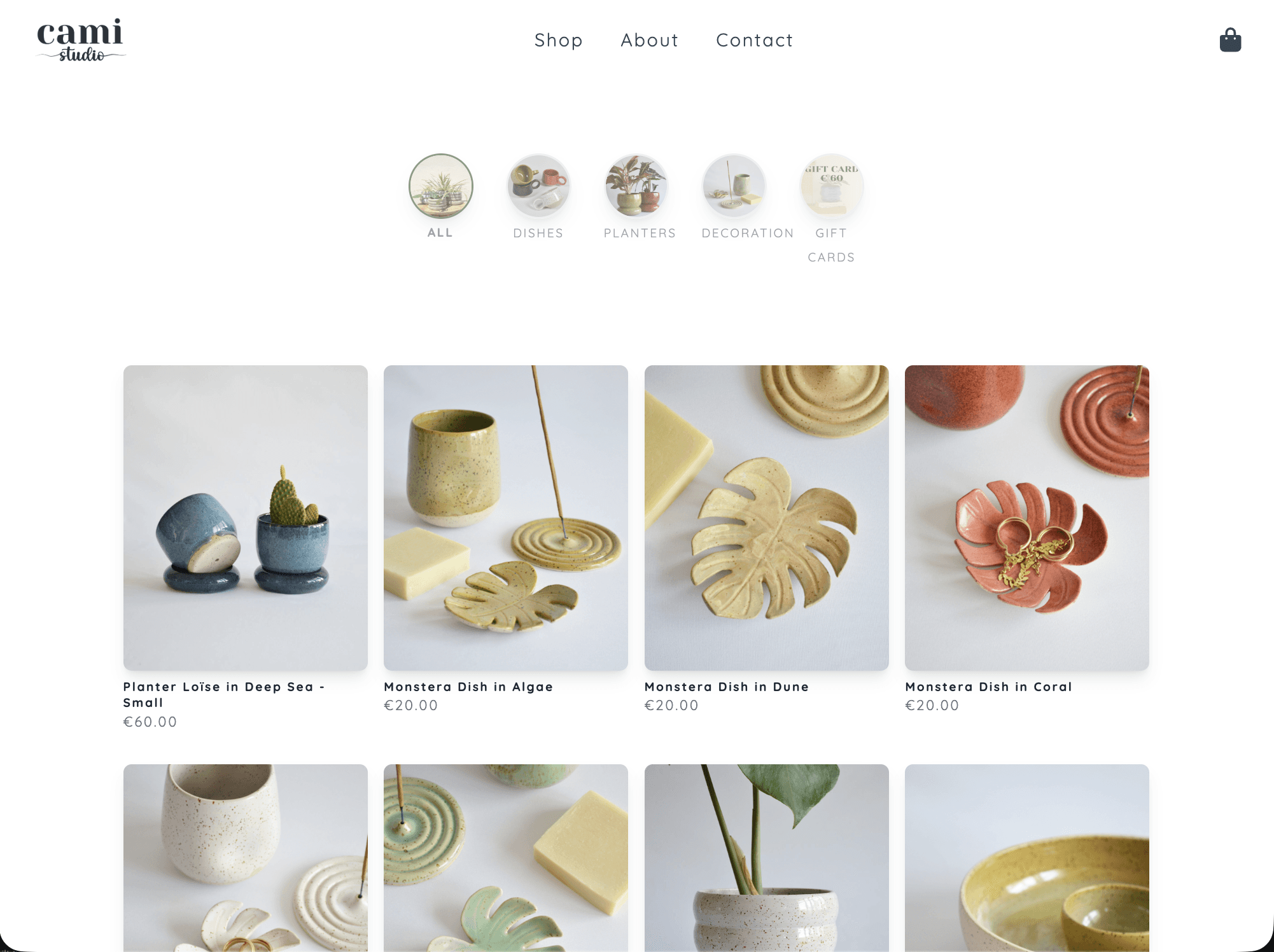
Following common e-commerce patterns, I initially built the shop with multiple layers (categories, collections, and oversell logic) to give the store flexibility and room to grow. In practice, once the site was live, that complexity worked against the brand. A handmade ceramics studio with a small, carefully curated inventory doesn't need the infrastructure of a scaled e-commerce operation. It needs clarity.
I simplified the structure to flexible categories that evolve naturally with each collection, and moved oversell logic to the product level, enabling or disabling it piece by piece depending on availability. A small change technically, but a significant one for usability and brand coherence.
Final Design
Datamorf Website
Website
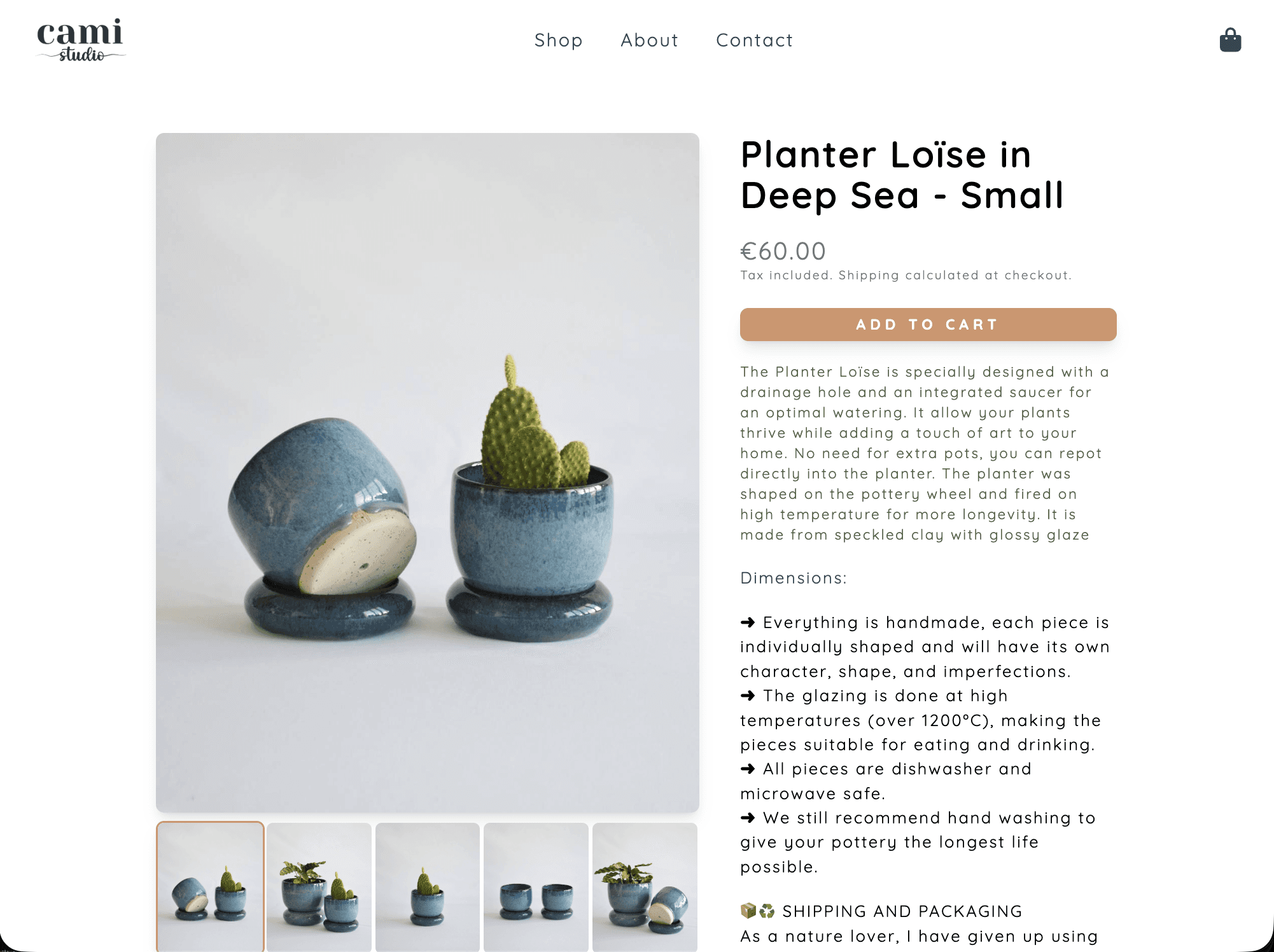
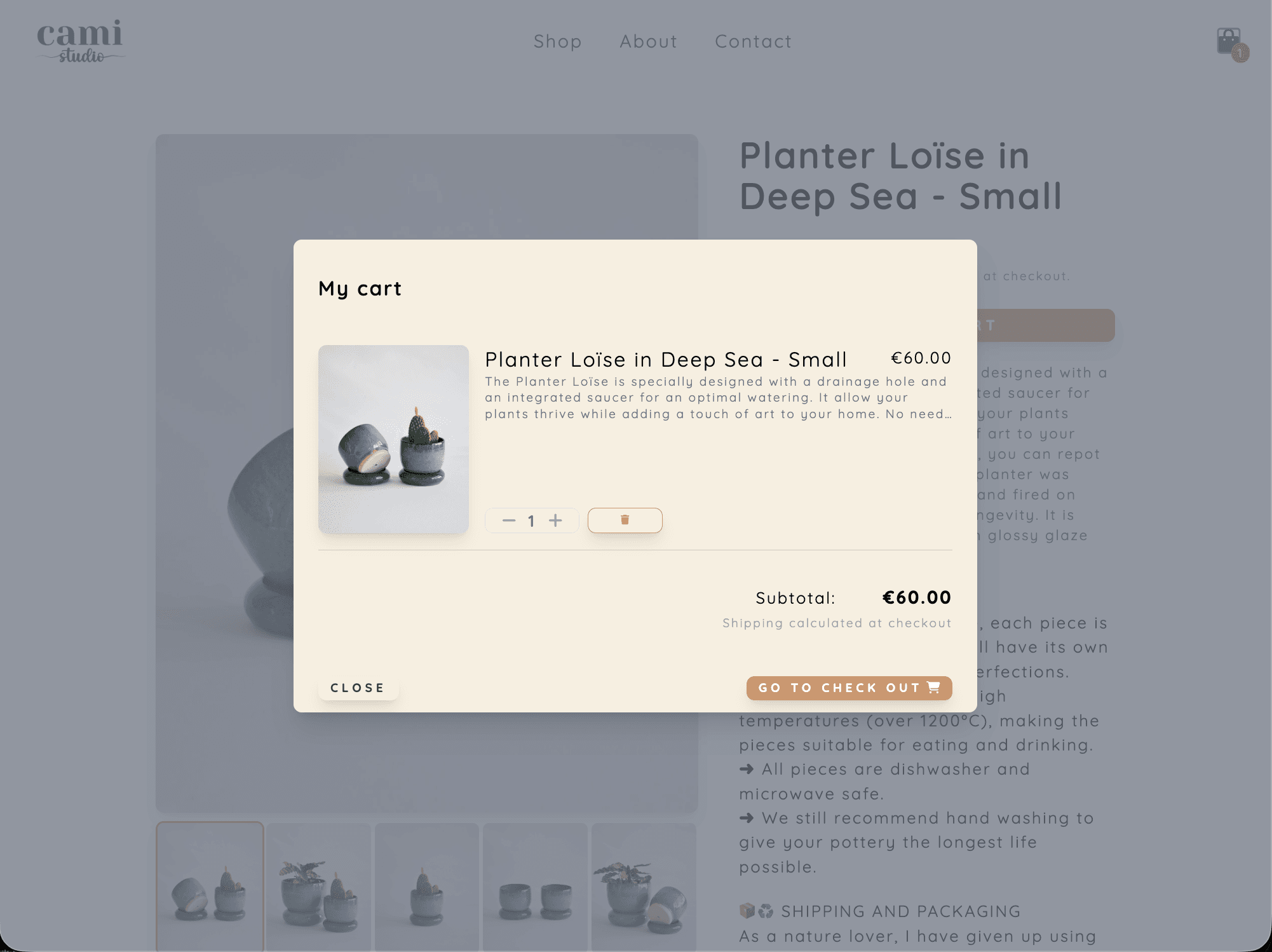
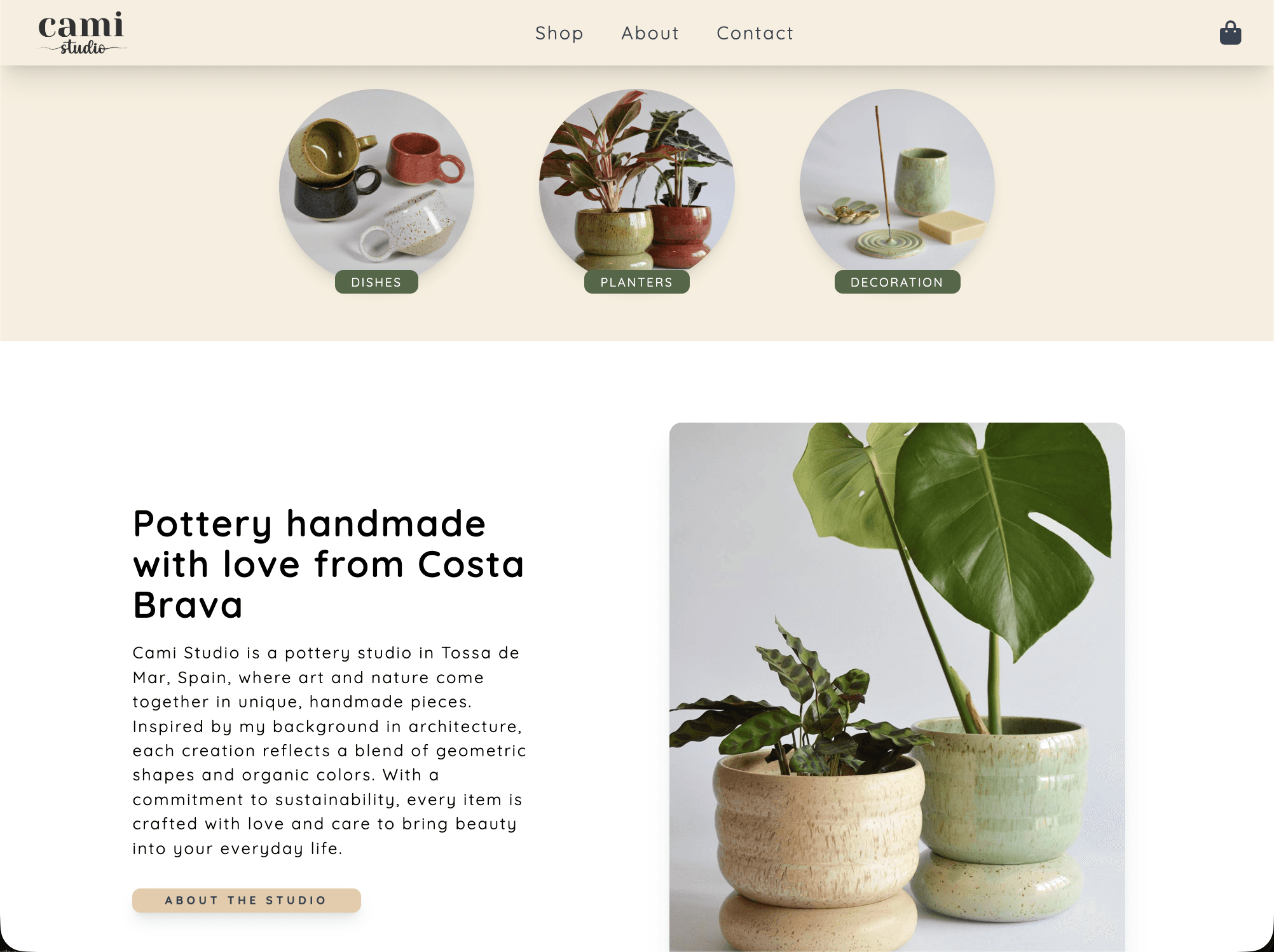
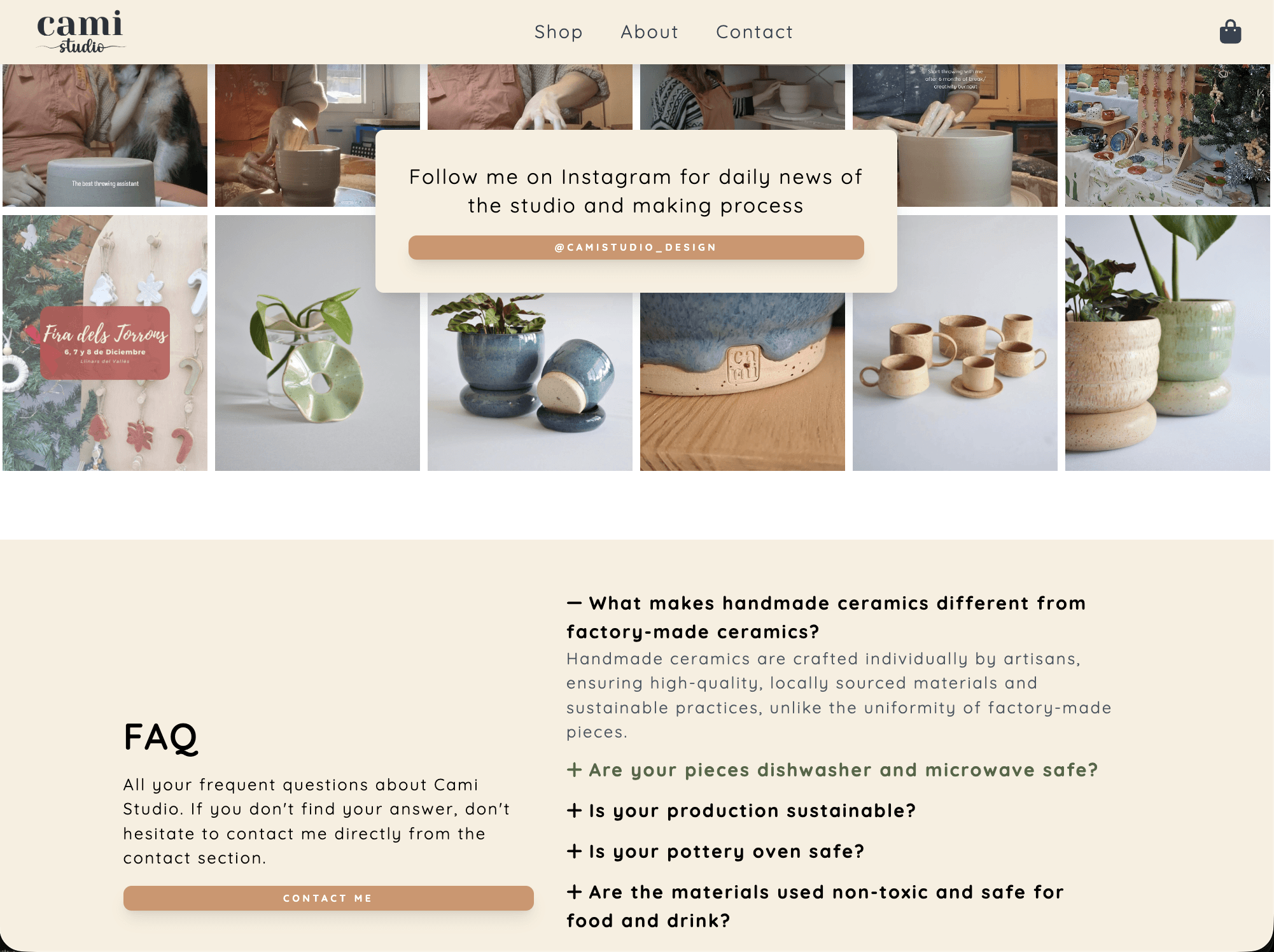
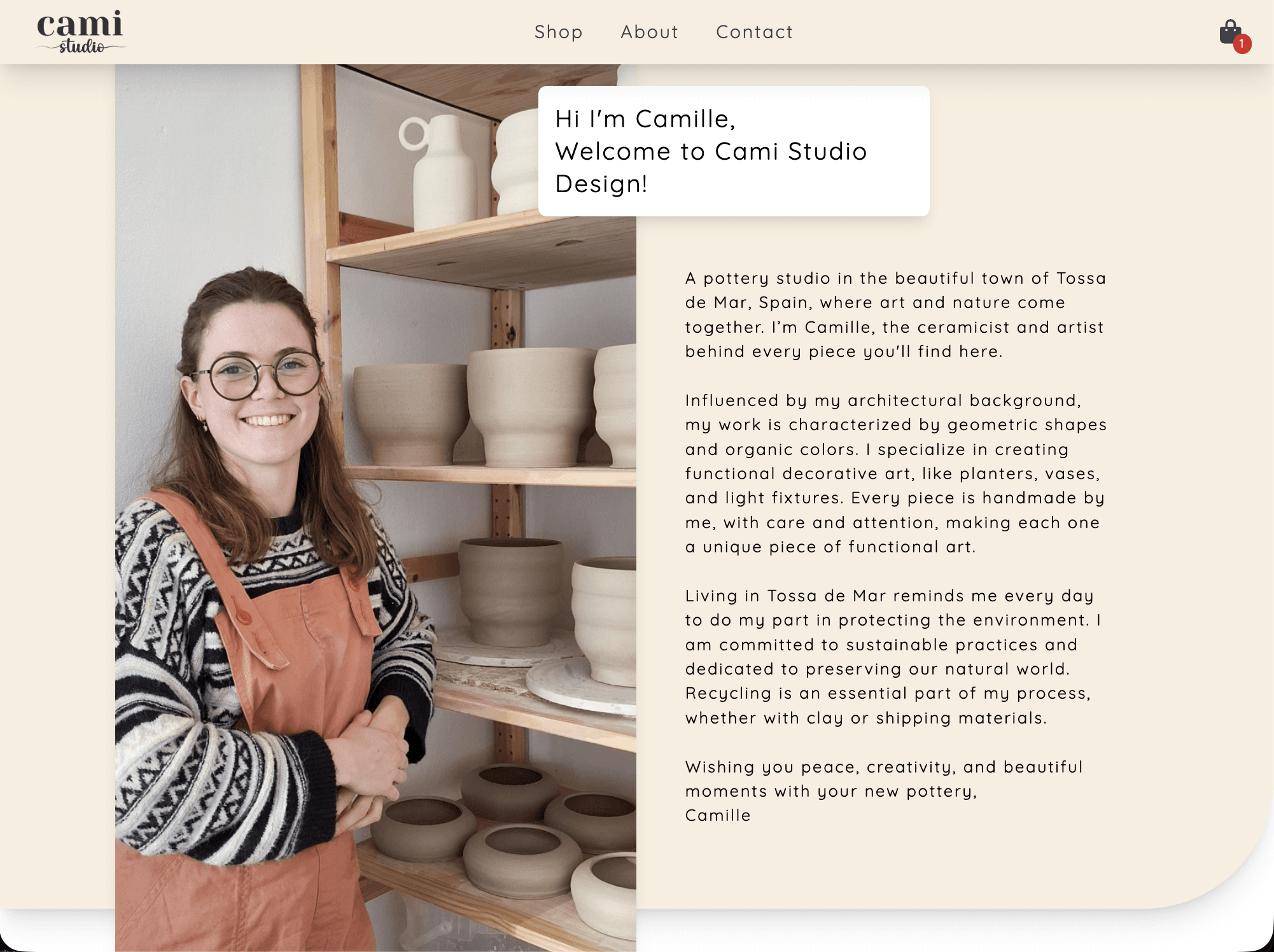
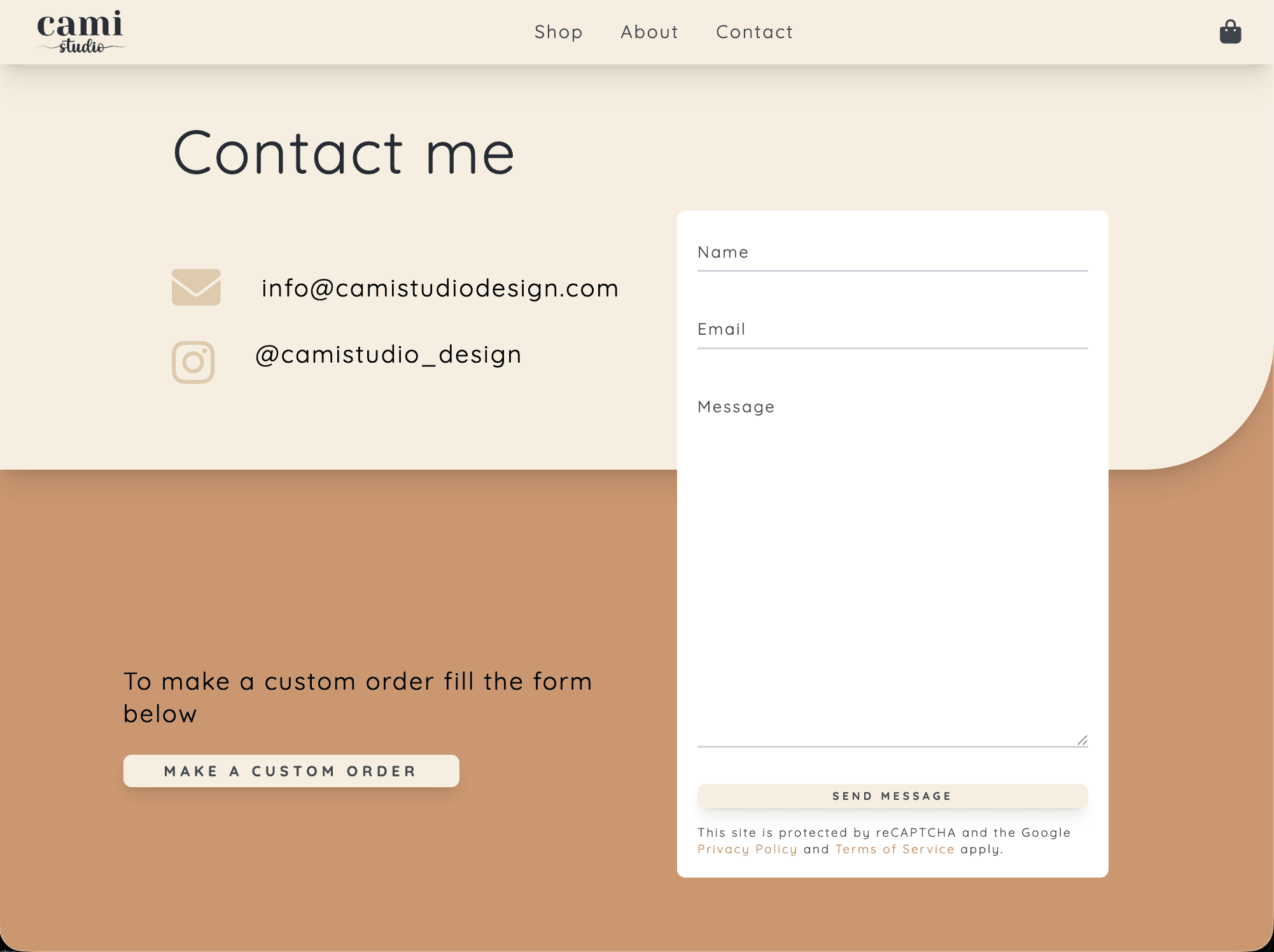
The final website was designed in Figma, covering the full prototype, brand guidelines, and component documentation. I then handed it over to an engineer who built and implemented it. My focus during handover was ensuring the design intent translated accurately: spacing, interactions, responsiveness, and the balance between brand storytelling and e-commerce clarity.
The result is a digital extension of the studio, a space where visitors can discover, understand, and connect with the work before committing to a purchase.
Impact
The website generates consistent organic traction with no active marketing beyond social media. Over the past 28 days, it attracted 771 active users, driven entirely by organic social (467 sessions) and organic search (243 sessions), with no paid investment. 180 clicks came directly from Google Search, confirming the SEO foundation continues to work long after launch. The site converts that traffic into regular sales each month without any paid investment or ongoing maintenance.
Reflection
Designing for your own brand is harder than it looks. The risk isn't a lack of knowledge: it's too much of it. Stepping back and applying the same structured UX thinking I'd use for any client project was what kept the decisions grounded. The simplification of the shop structure was the clearest example: the right answer wasn't the most sophisticated one, it was the one that actually matched the scale and reality of the business.